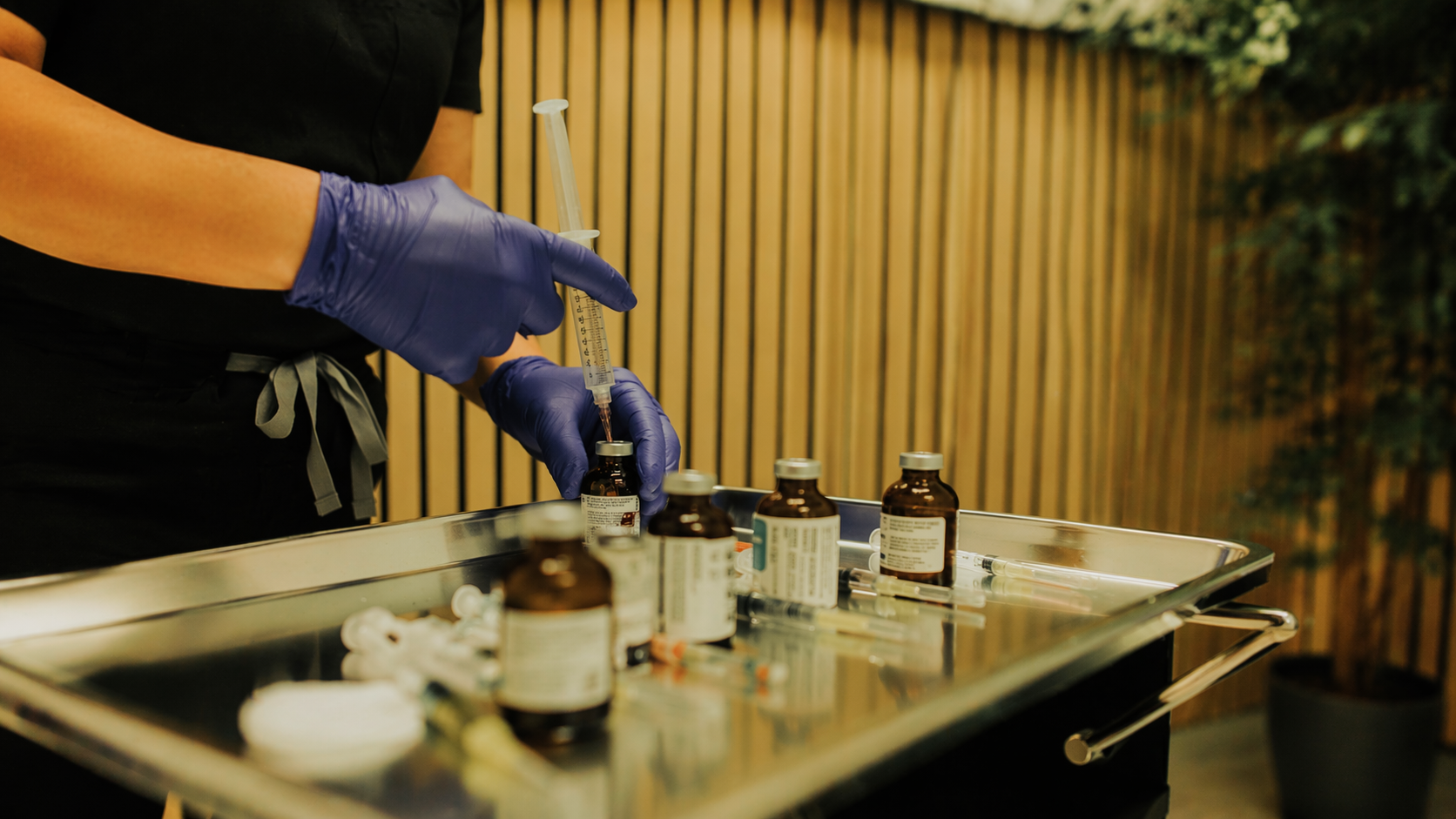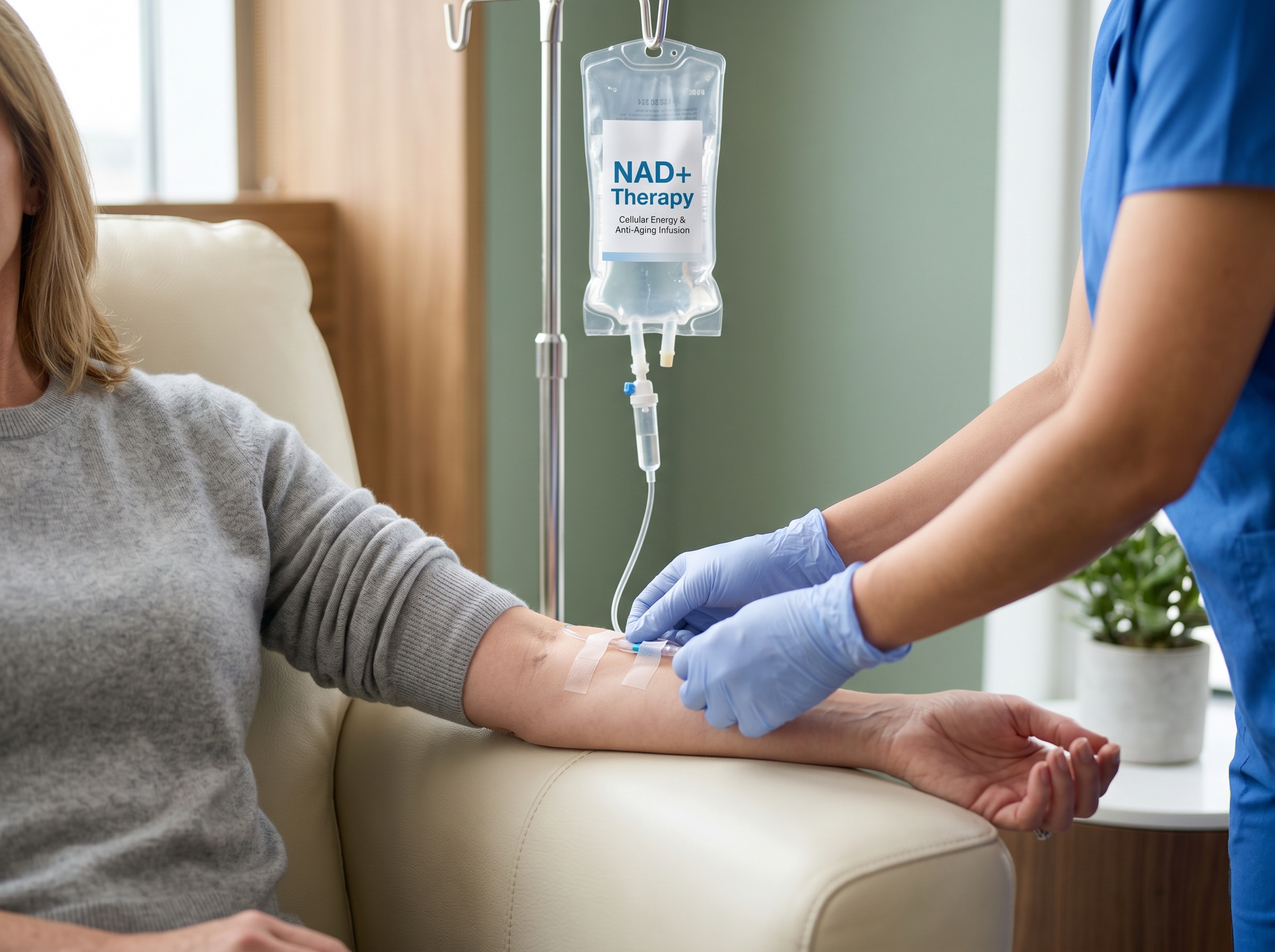

Before you receive Botox, filler, IV therapy, weight-loss medication, laser treatments, or other aesthetics or wellness services, there is one important first step: a good faith exam. This visit is where a licensed medical provider reviews your health, listens to your goals, and confirms that the treatments you want are safe and appropriate for you.
The Short Version
- A Good Faith Exam (GFE) is a medical evaluation required before many prescription or device-based treatments in California.
- It includes a medical history review, a physical or visual assessment, and a treatment decision.
- It's required at least once a year, or sooner if your health changes.
- At Ivory Bloom, it's performed through Docovia and approved by Medical Director Dr. Yeral Patel.
A good faith exam is more than a formality. It is a medical evaluation performed by a physician, nurse practitioner, or physician assistant to determine whether you are a good candidate for specific treatments. In California, an appropriate exam is expected before many prescription or device-based services are provided.
What a Good Faith Exam Does
A strong good faith exam serves a few key purposes:
- Establishes a real patient-provider relationship
- Confirms your medical history, current health status, and potential risk factors
- Clearly documents which treatments are appropriate and approved for you
All of this information is recorded in your chart so that every future visit is guided by a clear, personalized medical plan — not guesswork.

What Happens During the Exam
While the details vary based on the treatment and clinic, a thorough good faith exam generally includes three parts:
1. Medical history review
Your provider will ask about past medical conditions (such as heart issues, autoimmune disease, diabetes), current medications and supplements, allergies and sensitivities, previous cosmetic or surgical procedures, and lifestyle factors like smoking or alcohol that may impact healing. This is where important "red flags" are caught, such as a history of keloid scarring, use of blood thinners, or uncontrolled health issues.
2. Physical or visual exam
Depending on the service, the exam may be completed in person or via secure telehealth video, as long as the provider can gather enough information to meet the standard of care. Your provider may observe your general health and appearance, examine the treatment area, and look for signs of infection or irritation.
3. Assessment and treatment decision
Based on everything learned, the provider makes a medical judgment: are you a safe candidate, is there a better or safer option, do you need additional clearance from a specialist? That "yes," "no," or "not yet" decision is what separates a true medical exam from a simple sales consultation. It's required to update at least once a year, or sooner if your health changes.
From your perspective, a good faith exam should feel like a thoughtful medical visit — not a rushed checkbox.
Why a Good Faith Exam Matters
It's easy to see a good faith exam as an extra step between you and smoother skin, but it actually plays a central role in safe, high-quality care. A GFE matters because it screens for health conditions, medications, and allergies that could increase risk; allows your provider to design a plan that fits your unique history and goals; documents that a licensed prescriber is actively involved in your care; and creates a formal provider-patient relationship, so someone is medically accountable for your treatment decisions.
You should feel listened to, clearly informed about your options and risks, and confident that the recommendation is based on your safety as well as your desired results.
How Ivory Bloom Wellness Handles Your Good Faith Exam
At Ivory Bloom Wellness, good faith exams are performed through a trusted third-party partner, Docovia, using experienced nurse practitioners. Guided by Ivory Bloom's clinical protocols, they review your health information and determine which treatments are appropriate for you. The final approval for your plan is made by our Medical Director, Dr. Yeral Patel.
The process typically takes about five minutes to complete. After your exam, Ivory Bloom Wellness receives a detailed report outlining your medical history, allergies, medications, and the treatments you're cleared to receive — so every visit that follows is built on a solid medical foundation, and you can focus on feeling confident, cared for, and informed.