
If your skin feels dull, textured, or tired no matter how many products you try, microneedling is one of those treatments that keeps popping up for a reason. It works by triggering your skin's own repair process instead of just sitting on the surface like a serum or cream.
The Short Version
- Microneedling uses controlled micro-injuries to trigger your skin's natural collagen production.
- Can help fine lines, acne scars, large pores, uneven tone, and product absorption.
- Most people need 3–6 sessions spaced 4–6 weeks apart.
- Expect 24–48 hours of redness; real results build over the following weeks and months.
What Microneedling Actually Is
Microneedling is a cosmetic treatment where a device covered in tiny, sterile needles is passed over the skin to create controlled micro-injuries. These micro-channels are superficial, but they're enough to activate your body's natural wound-healing response.
As your skin "repairs" those tiny injuries, it ramps up production of collagen and elastin — the proteins that keep skin firm, smooth, and bouncy. Because the channels are so small and precise, the goal is to get all the benefits of healing with minimal damage and downtime.
Think of it as a wake-up call for your collagen, telling your skin to rebuild from the inside out.
What It Does for Your Skin
Here's where microneedling really shines. With a proper, professional series of treatments, it can help:
- Smooth fine lines and early wrinkles by boosting collagen, especially around the eyes, mouth, and forehead. Skin gradually looks tighter and more refined rather than "filled," so results tend to look very natural.
- Improve texture and acne scars by remodeling uneven tissue over time as new collagen is laid down, making the surface smoother and more uniform.
- Minimize the look of large pores as collagen increases and the surrounding skin becomes more supported and tighter.
- Even out tone and mild discoloration by encouraging faster cell turnover, softening the look of sun damage and post-acne marks.
- Boost the power of your skincare, since the tiny channels temporarily increase product penetration — which is why many providers pair microneedling with medical-grade serums for a bigger impact.
What a Treatment Feels Like, Step by Step
- Your skin is cleansed and examined. Your provider removes makeup, oil, and sunscreen, then assesses your skin type, concerns, and any contraindications.
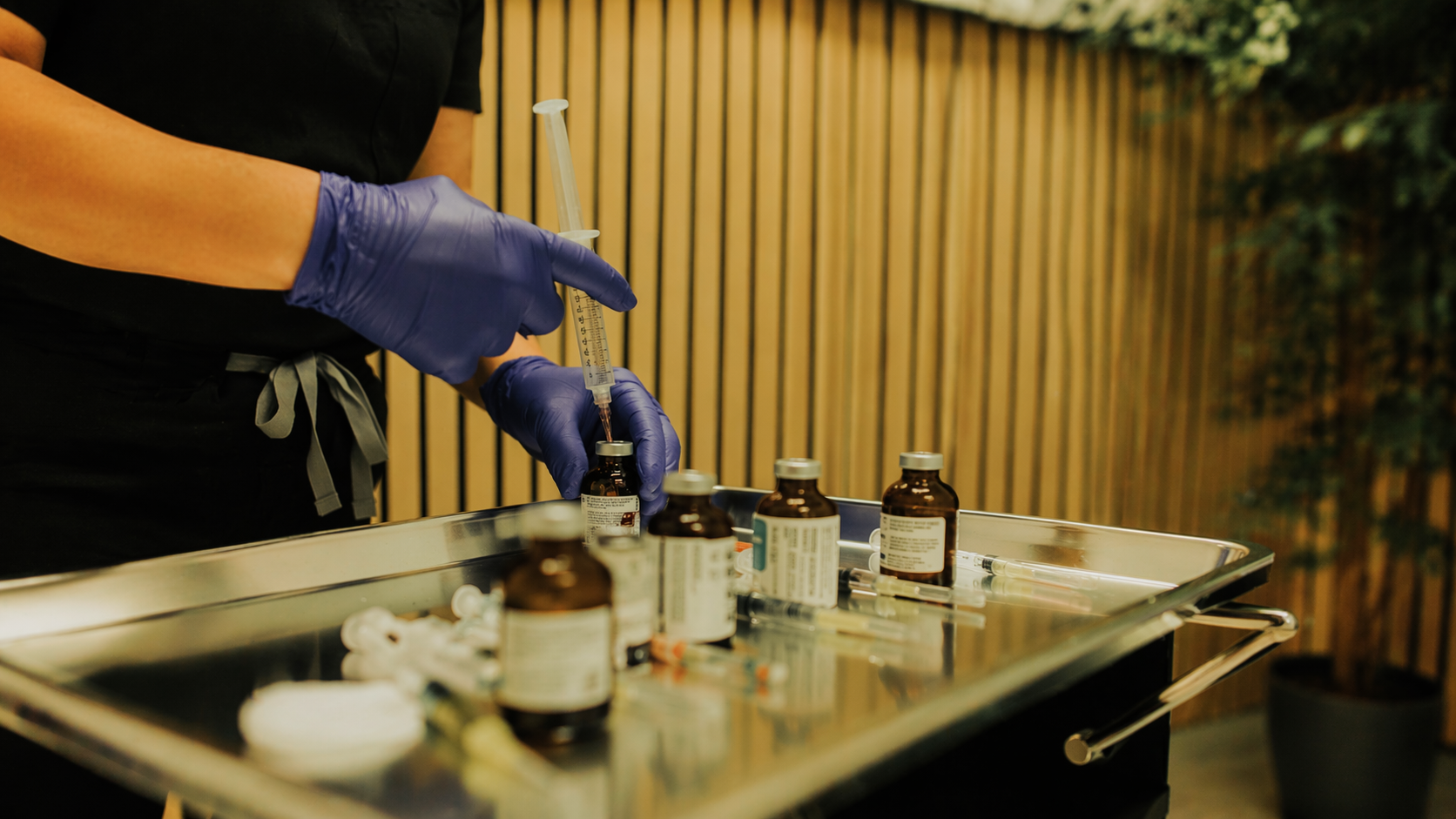
- Numbing cream is applied and usually left on for 20–30 minutes. Most people describe the feeling as light scratching or vibration rather than pain.
- The microneedling device is passed over your skin in passes, treating your face and sometimes neck or chest. Mild pinpoint bleeding or redness is normal.
- Targeted serums are applied right after treatment, when skin is more receptive to soothing and hydrating ingredients like hyaluronic acid.
- You're pink, then you're glowing. Expect redness similar to a sunburn for 24–48 hours, along with temporary tightness or light flaking, before skin looks smoother and brighter over the following week.
How Many Sessions You Really Need
One microneedling session can make your skin look fresher, but the real changes in texture, scars, and fine lines usually show up with a series. Most people are recommended 3–6 sessions, spaced about 4–6 weeks apart. This spacing gives your skin time to build new collagen between treatments — think of it like working out, where consistent sessions are what actually change results over time. After the initial series, many people do maintenance once or twice a year.
Who Is (and Isn't) a Good Candidate
Microneedling is generally safe for most skin types and tones, especially when done in a professional setting. It's often a great option if you:
- Have mild to moderate acne scarring
- Notice early fine lines and loss of firmness
- Struggle with visible pores and uneven texture
- Want something stronger than facials but less aggressive than lasers
You may need to avoid or delay microneedling if you have active acne or infections in the treatment area, are prone to keloid scarring, or are pregnant or on certain medications — your provider will screen for all of this at your consultation.
At-Home Devices vs. Professional Microneedling
You might see at-home rollers and microneedling pens online, but they're very different from in-office treatments. At-home tools usually have shorter, duller needles and inconsistent pressure — they're more about mild product penetration than true collagen remodeling, and carry a higher risk of irritation or infection if not sterile.
Professional microneedling uses medical-grade devices with sterile, single-use tips and controlled depth, speed, and pattern, allowing your provider to safely target scars and wrinkles at levels home devices simply can't reach.
What to Expect After: Results and Downtime
Right after your session, you'll likely look flushed and feel warm or tight, similar to a light sunburn. Over the next several days, redness fades to a pink glow and mild dryness or flaking can appear. Makeup is usually safe again after 24 hours. Most people notice smoother texture and more radiance within 1–2 weeks, while deeper changes like reduced scarring build gradually over several months as new collagen matures. Microneedling is a process, not an instant filter.